Blog ·
Maximizing Your Home's Solar Potential: Electrical Panel Capacity Explained
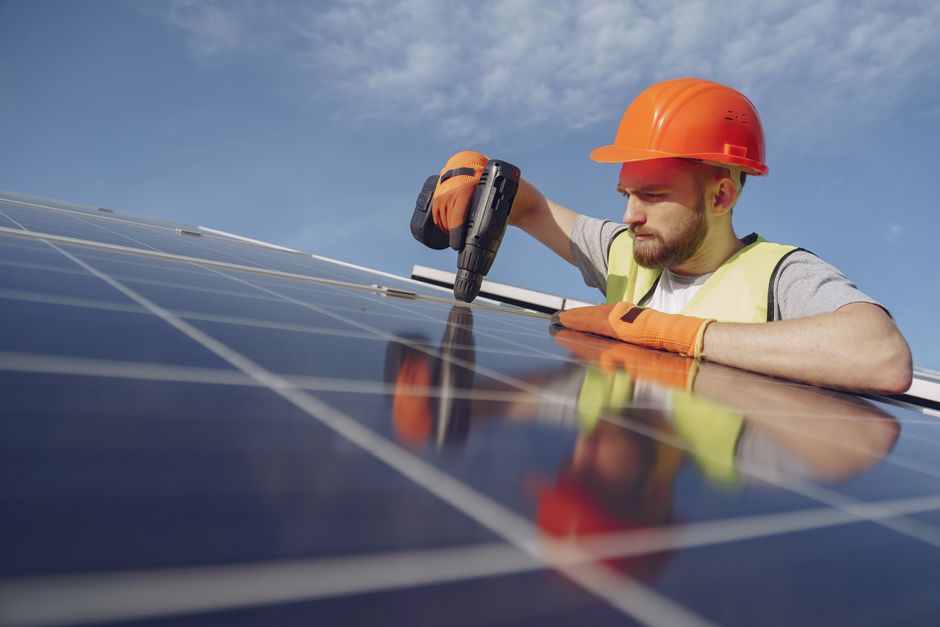
When you're ready to switch to solar energy with Bevelerixo, one of the first things our Custom Photovoltaic Design team evaluates is your home's electrical panel capacity. This critical component often determines how much solar power your home can handle and whether upgrades are necessary before Professional Solar Installation begins.
Your electrical panel, also called a breaker box or fuse box, is the nerve center of your home's electrical system. It distributes electricity throughout your house and protects circuits from overload. If you're considering solar installation, understanding your panel's capacity is essential because it affects how much solar energy you can generate and store.
Most homes built in recent decades have panels rated between 100 and 200 amps. Older homes might have 60 or 80-amp panels, while newer energy-efficient homes sometimes have 200-amp service or higher. Your current panel capacity depends on when your home was built and how much electrical demand your household creates.
When you add solar panels to your home, the connection between your solar system and your home's electrical system happens at the electrical panel. This is where your photovoltaic system integrates with your existing circuits. If your panel doesn't have sufficient capacity, it may not accommodate the solar installation safely.
What Our Team Evaluates
Here's what our team looks for during the assessment:
- Available breaker spaces for the solar inverter connection
- The current capacity rating of your panel
- The existing electrical load your home already draws
- Whether your panel can safely handle additional equipment
Sometimes, if your panel capacity is limited, we may recommend upgrading to a higher-capacity panel before installation. This ensures your system operates safely and efficiently and also prepares your home for future expansions, such as Home Energy Storage Integration.
When you integrate battery storage with your solar setup, this also affects your electrical panel requirements. Battery systems need their own connections and circuits, which is another reason why panel capacity matters.
The good news is that panel upgrades are straightforward when planned as part of your solar project. Our Custom Photovoltaic Design process factors this in from the beginning, so there are no surprises during your Professional Solar Installation.
Understanding your electrical panel capacity isn't just about technical compliance—it's about ensuring your solar investment works optimally for your home's unique needs. During your consultation, our team will review your panel thoroughly and explain whether upgrades are necessary for your specific situation.
Your electrical panel is the foundation of your solar success. By addressing capacity requirements early, you're setting yourself up for a smooth, efficient transition to renewable energy.