Blog ·
Maximize Your Solar Panel Efficiency: Key Factors to Consider
Understanding the Elements That Impact Your System's Performance
Solar panels convert sunlight into electricity, but several factors determine how effectively they work for your home. Understanding these elements helps you get the most from your residential solar investment.
Roof Orientation and Angle
The direction your roof faces plays a crucial role in energy production. South-facing roofs receive the most consistent sunlight throughout the day, making them ideal for solar installations. The angle of your roof also matters—panels perform best when tilted at an angle close to your home's latitude. If your roof doesn't face the optimal direction, don't worry. Modern solar systems can still produce substantial energy from east or west-facing surfaces, though output may be slightly reduced.
Shading and Obstructions
Even small shadows from trees, chimneys, or neighboring structures can significantly reduce your system's output. During the installation consultation, professionals assess your property throughout the day and year to identify potential shading issues. Trimming overhanging branches or clearing obstructions before installation helps maintain consistent performance over time.
Weather Conditions and Climate
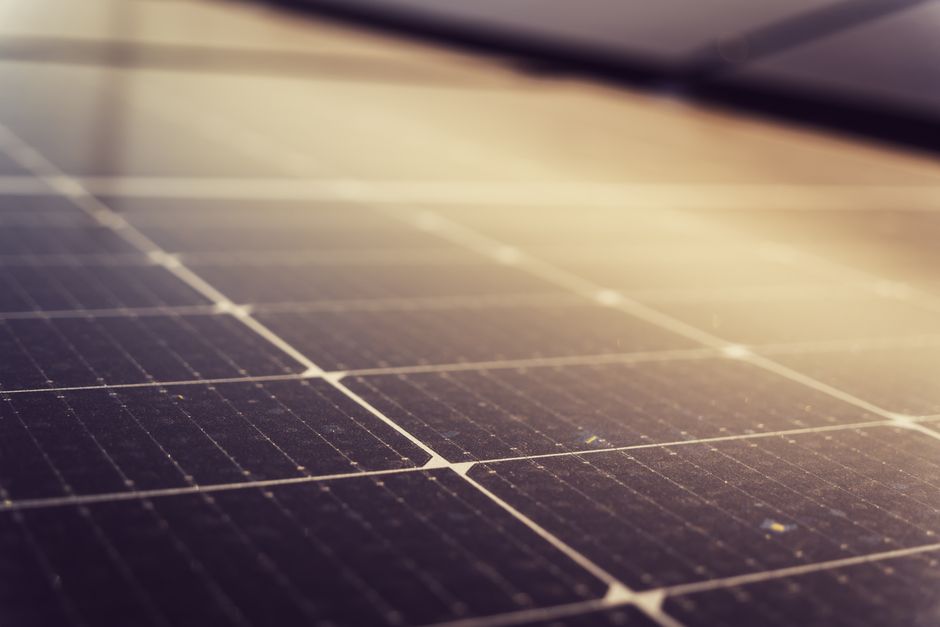
While solar systems work on cloudy days, direct sunlight produces maximum energy. Dust, pollen, and dirt accumulation can reduce efficiency by up to 15 percent if left unaddressed. Regular light cleaning during your area's dry season keeps panels performing optimally. Temperature also affects performance—panels actually work slightly better in cooler conditions, though this varies by location.
System Design and Quality Equipment
A well-designed system considers your home's actual energy consumption patterns, roof space available, and local climate conditions. High-quality panels and inverters ensure efficient conversion and minimal energy loss. Professional installers size your system appropriately so it matches your household's typical usage.
Maintenance and Monitoring
Preventive maintenance keeps your system running smoothly. Regularly inspect visible wiring and mounting hardware for damage. Most modern systems include monitoring tools that let you track daily energy production and alert you to any performance drops indicating potential issues.
Practical Steps to Take
- Request a comprehensive site assessment before installation
- Plan periodic cleaning, especially after storms or dusty seasons
- Keep records of system performance and maintenance
- Trim nearby vegetation annually
- Use your monitoring system to establish baseline performance expectations
By understanding these efficiency factors and taking proactive steps, you maximize the energy your system generates while protecting your long-term investment in residential solar power.