Blog ·
Getting Your Home Ready for Solar Installation
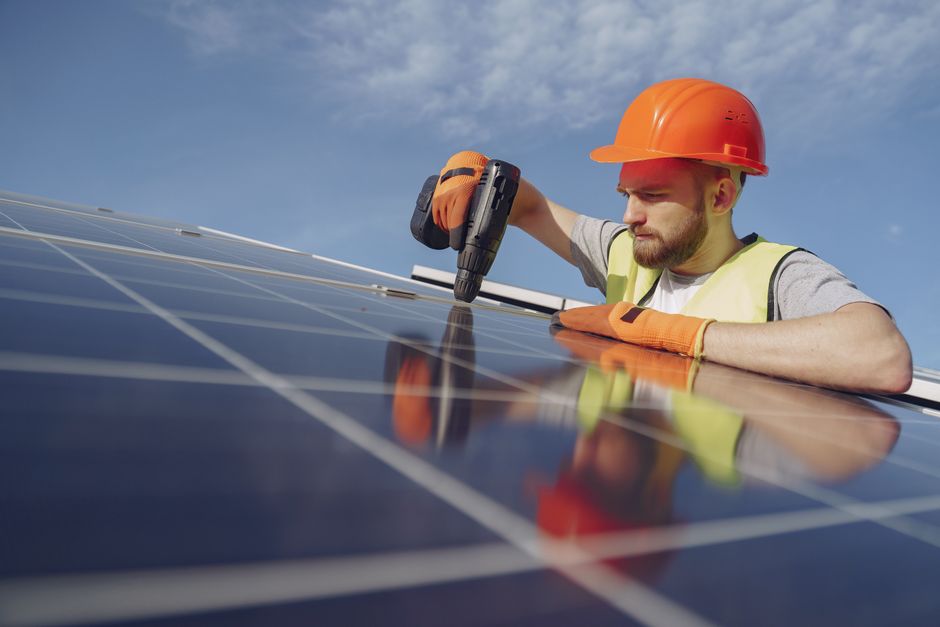
Essential Preparation Steps Before Your Solar Panels Arrive
Installing solar panels represents a significant home improvement project. Preparing your property properly ensures a smooth installation process and positions your system for long-term success. Here's what homeowners should know before the work begins.
Roof Assessment and Repairs
Your roof must be in good condition to safely support solar panels for decades. Installers assess roof age, structure, and integrity during the site evaluation. If your roof needs repairs or replacement, addressing these before solar installation prevents complications and ensures your panels sit on a stable foundation. A typical residential roof should last 25 to 30 years, which aligns well with most solar system warranties.
Electrical System Evaluation
Your home's electrical panel and wiring must accommodate solar power generation and any battery storage you might add. Professionals evaluate whether your current setup requires upgrades for safe integration. This assessment ensures your home's electrical infrastructure can handle the new power source without safety issues.
Permits and Documentation
Before installation begins, your location's building department typically requires permits. Professional installation teams handle most paperwork, but you may need to provide property documentation and authorize inspections. Understanding local requirements helps avoid delays during the installation timeline.
Property Clearance
Clear pathways for installation crews to access your roof safely. Remove obstacles, garden equipment, and outdoor furniture from your yard. Secure pets indoors during work days. Installers need clear access to electrical panels and any planned battery storage locations inside your home.
Utility Notification
Many areas require notifying your utility company before installation. This registration ensures proper net metering credits for excess energy your system generates. Installation professionals typically guide you through this process.
Planning for the Installation Timeline
- Expect installation to take one to three days depending on system size
- Plan for utility crews to perform final connections
- Arrange building inspections after installation completion
- Schedule an operation and monitoring training session with your installer
Post-Installation Considerations
After your system goes live, you'll enter the monitoring phase. Most systems provide digital dashboards showing real-time energy production. Establish a baseline for your system's expected performance under different weather conditions. Knowing what normal looks like helps you spot any issues early.
By preparing your home thoughtfully and staying organized throughout the process, you'll transition smoothly to solar power and enjoy decades of reliable energy production from your residential system.